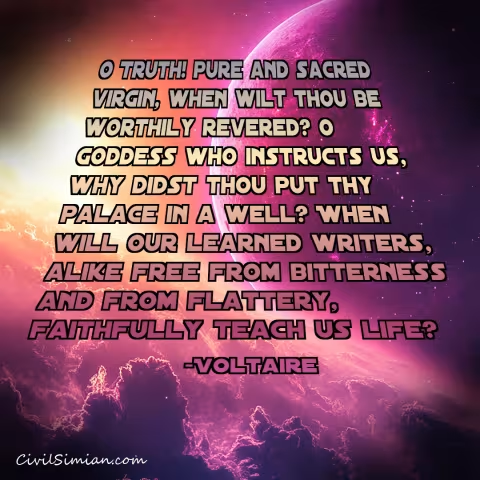
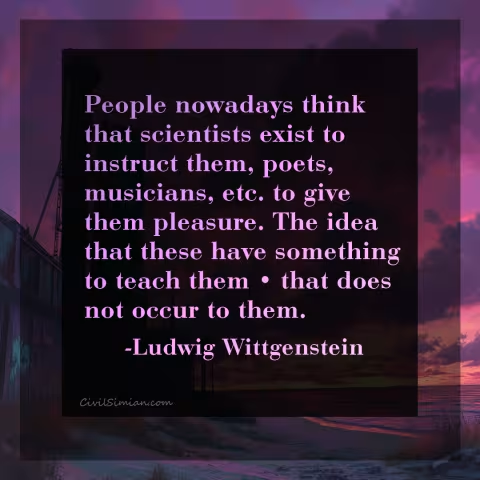
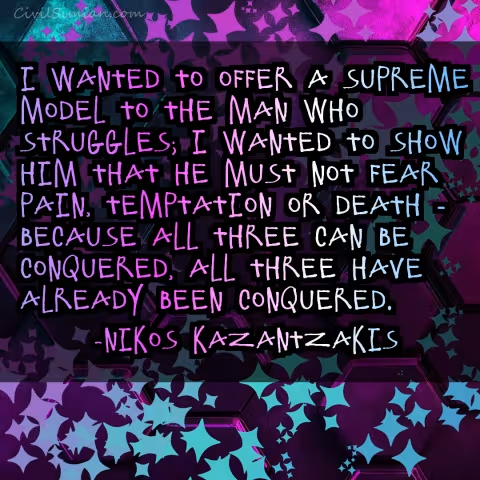
Tough read...😁....
See biography for Federico Fellini:https://civilsimian.com/Federico-Fellini
Read Federico Fellini's work:https://civilsimian.com/user/195/content
I honestly think, because of the generational telescoping effect of all information at all times, there won't be a past to hold on to. In this sense, when certain old generations pass on, we may be free from it....
Yeah...I guess things were different 2500 years ago...really different....😁
See biography for Confucius:https://civilsimian.com/Confucius
Read Confucius' work:https://civilsimian.com/user/36/content
Said during early 1800's...
See biography for Thomas Babington Macaulay:https://civilsimian.com/Thomas-Babington-Macaulay
Read Thomas Babington Macaulay's work:https://civilsimian.com/user/187/content
CivilSimian.com created by AxiomaticPanic, CivilSimian, Kalokagathia