
4 months 3 weeks ago
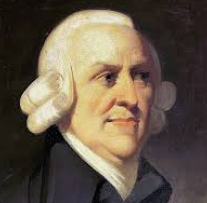
Thus, the original core components of classical political economy enumerated in Smith's Wealth of Nations, and transformed in the economic theorizing of later classicals – that is, until John Maynard Keynes chose in The General Theory of Employment, Interest and Money (1936) to alter retrospectively the referent of this denotation to include any “orthodox” (non-Marxist) economist who was a quantity theorist – comprised a set of conceptual tools for analyzing and understanding the operation of market and later capitalist production and exchange.
▼
Source
source
Shannon C. Stimson, "Classical Political Economy", in Coole, Diana H.; Gibbons, Michael; Ellis, Elisabeth et al., The encyclopedia of political thought (2014)
CivilSimian.com created by AxiomaticPanic, CivilSimian, Kalokagathia