

Fri, 7 Nov 2025 - 03:04
May not we then confidently pronounce that man happy who realizes complete goodness in action, and is adequately furnished with external goods? Or should we add, that he must also be destined to go on living not for any casual period but throughout a complete lifetime in the same manner, and to die accordingly, because the future is hidden from us, and we conceive happiness as an end, something utterly and absolutely final and complete? If this is so, we shall pronounce those of the living who possess and are destined to go on possessing the good things we have specified to be supremely blessed, though on the human scale of bliss.

Tue, 9 Dec 2025 - 00:33
Essentially the fault lies in the fact that the democratic political process is at best regulated rivalry; it does not even in theory have the desirable properties that price theory ascribes to truly competitive markets.

Wed, 5 Nov 2025 - 03:58
Lift up your eyes and look at the cloud and the light within it and the stars surrounding it. The star that leads the way is your star. Jesus to Judas, Judas. See "Jesus Laughed" and "Judas Saves: Why the lost gospel makes sense".
Sun, 7 Dec 2025 - 19:56
Next to the originator of a good sentence is the first quoter of it.

Sat, 13 Dec 2025 - 04:40
We are aware of all the inconveniences of prison, and that it is dangerous when it is not useless. And yet one cannot 'see' how to replace it. It is the detestable solution, which one seems unable to do without.

Mon, 10 Nov 2025 - 02:44
It is change, continuing change, inevitable change, that is the dominant factor in society today. No sensible decision can be made any longer without taking into account not only the world as it is, but the world as it will be ... This, in turn, means that our statesmen, our businessmen, our everyman must take on a science fictional way of thinking.
Thu, 20 Nov 2025 - 03:19
The greatest states have been overthrown by the young and sustained and restored by the old. ... Rashness is the product of the budding-time of youth, prudence of the harvest-time of age.
Sat, 6 Dec 2025 - 05:48
We see in tragedy the noblest men, after a long conflict and suffering, finally renounce forever all the pleasure of life and the aims till then pursued so keenly, or cheerfully and willingly give up life itself.

Fri, 12 Dec 2025 - 04:56
One of the most difficult of the philosopher's tasks is to find out where the shoe pinches.

Fri, 5 Dec 2025 - 22:45
Virtue supposes liberty, as the carrying of a burden supposes active force. Under coercion there is no virtue, and without virtue there is no religion. Make a slave of me, and I shall be no better for it. Even the sovereign has no right to use coercion to lead men to religion, which by its nature supposes choice and liberty. My thought is no more subject to authority than is sickness or health.

Thu, 4 Dec 2025 - 23:20
Remorse sleeps during a prosperous period but wakes up in adversity. Variant translations: Remorse sleeps during prosperity but awakes bitter consciousness during adversity. Remorse goes to sleep during a prosperous period and wakes up in adversity.
Fri, 12 Dec 2025 - 04:56
But more correctly: The fact that I use the word "hand" and all the other words in my sentence without a second thought, indeed that I should stand before the abyss if I wanted so much as to try doubting their meanings - shows that absence of doubt belongs to the essence of the language-game, that the question "How do I know..." drags out the language-game, or else does away with it.
Sun, 7 Dec 2025 - 22:49
As the brain-changes are continuous, so do all these consciousnesses melt into each other like dissolving views. Properly they are but one protracted consciousness, one unbroken stream.

Sun, 30 Nov 2025 - 01:59
Arts and sciences are not cast in a mould, but are formed and perfected by degrees, by often handling and polishing, as bears leisurely lick their cubs into form.
Wed, 3 Dec 2025 - 03:49
For Prudence, is but Experience; which equal time, equally bestows on all men, in those things they equally apply themselves unto.
Mon, 8 Dec 2025 - 23:17
That is precisely what we should have expected, since Genet wants to live simultaneously creation, destruction, the impossibility of destroying and the impossibility of creating, since he wants both to show his rejection of the divine creation and to manifest, in the absolute, human impotence as man's reproval of God and as the testimony of his grandeur.
Sun, 7 Dec 2025 - 22:49
The deadliest enemies of nations are not their foreign foes; they always dwell within their borders. And from these internal enemies civilization is always in need of being saved. The nation blest above all nations is she in whom the civic genius of the people does the saving day by day, by acts without external picturesqueness; by speaking, writing, voting reasonably; by smiting corruption swiftly; by good temper between parties; by the people knowing true men when they see them, and preferring them as leaders to rabid partisans or empty quacks.

Fri, 28 Nov 2025 - 20:15
He that defers his charity 'till he is dead, is (if a man weighs it rightly) rather liberal of another man's, than of his own.

Wed, 19 Nov 2025 - 20:45
The greatness of the human being consists in this: that it is capable of the universe.
Fri, 5 Dec 2025 - 22:45
Virtuous men alone possess friends.
Sun, 30 Nov 2025 - 01:59
Even from their infancy we frame them to the sports of love: their instruction, behavior, attire, grace, learning and all their words azimuth only at love, respects only affection. Their nurses and their keepers imprint no other thing in them.
Sun, 7 Dec 2025 - 06:08
Since the working-class lives from hand to mouth,it buys as long as it has the means to buy.
Sun, 30 Nov 2025 - 01:59
Since I would rather make of him an able man than a learned man, I would also urge that care be taken to choose a guide with a well-made rather than a well-filled head.
Wed, 3 Dec 2025 - 03:49
But Aversion wee have for things, not only which we know have hurt us; but also that we do not know whether they will hurt us, or not.
Fri, 7 Nov 2025 - 03:04
The vices respectively fall short of or exceed what is right in both passions and actions, while virtue both finds and chooses that which is intermediate.

Wed, 3 Dec 2025 - 22:19
Lands for the purposes of pleasure and magnificence, parks, gardens, public walks, &c. possessions which are every where considered as causes of expence, not as sources of revenue, seem to be the only lands which, in a great and civilized monarchy, ought to belong the crown.
Mon, 10 Nov 2025 - 02:44
There's something about a pious man such as he. He will cheerfully cut your throat if it suits him, but he will hesitate to endanger the welfare of your immaterial and problematical soul.
Sun, 7 Dec 2025 - 19:56
Announced by all the trumpets of the sky Arrives the snow, and, driving o'er the fields, Seems nowhere to alight: the whited air Hides hills and woods, the river and the heaven, And veils the farm-house at the garden's end.
Sun, 7 Dec 2025 - 22:49
Instinct leads, intelligence does but follow.

Sun, 7 Dec 2025 - 02:53
Society should treat all equally well who have deserved equally well of it, that is, who have deserved equally well absolutely. This is the highest abstract standard of social and distributive justice; towards which all institutions, and the efforts of all virtuous citizens, should be made in the utmost degree to converge.
Mon, 8 Dec 2025 - 23:17
If you are not already dead, forgive. Rancor is heavy, it is worldly; leave it on earth: die light.
Thu, 20 Nov 2025 - 03:19
I have always been of the opinion that infamy earned by doing what is right is not infamy at all, but glory.
Tue, 18 Nov 2025 - 01:07
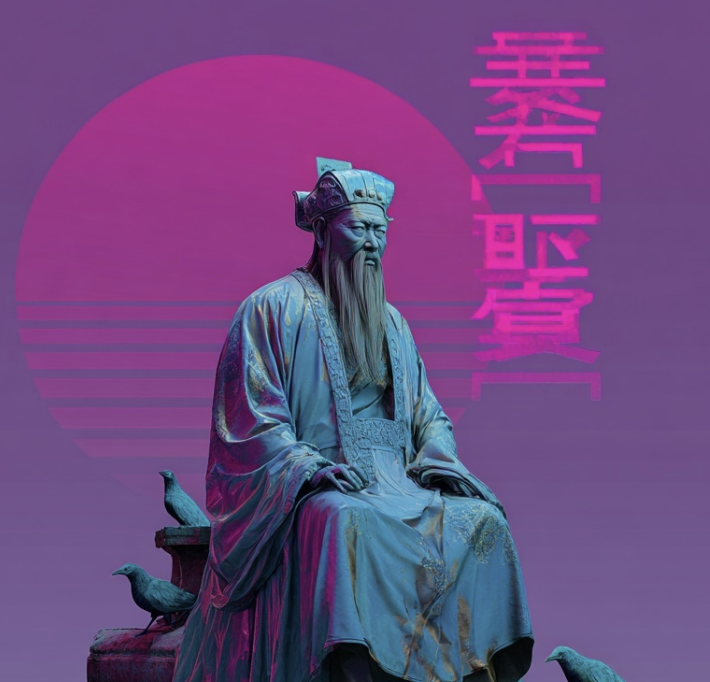
There is the love of knowing without the love of learning; the beclouding here leads to dissipation of mind.
Sat, 29 Nov 2025 - 23:28
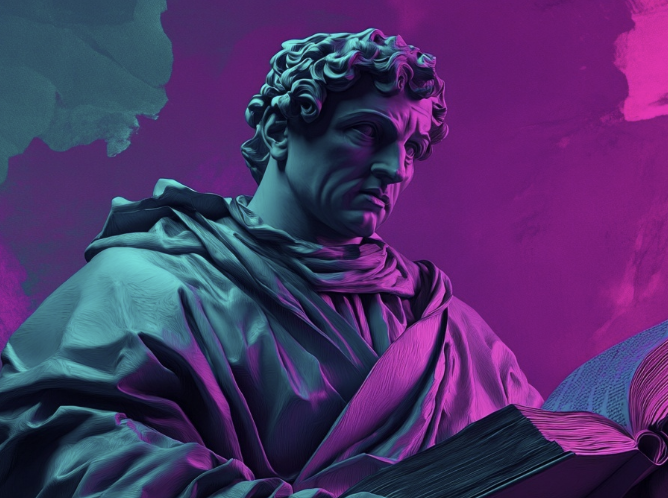
Mother Mary, like us, was born in sin of sinful parents, but the Holy Spirit covered her, sanctified and purified her so that this child was born of flesh and blood, but not with sinful flesh and blood. The Holy Spirit permitted the Virgin Mary to remain a true, natural human being of flesh and blood, just as we. However, he warded off sin from her flesh and blood so that she became the mother of a pure child, not poisoned by sin as we are. For in that moment when she conceived, she was a holy mother filled with the Holy Spirit and her fruit is a holy pure fruit, at once God and truly man, in one person.

Sat, 6 Dec 2025 - 21:50
Belief in eternal hell fire was an essential item of Christian belief until pretty recent times. In this country, as you know, it ceased to be an essential item because of a decision of the Privy Council, and from that decision the Archbishop of Canterbury and the Archbishop of York dissented; but in this country our religion is settled by Act of Parliament, and therefore the Privy Council was able to override Their Graces and hell was no longer necessary to a Christian. Consequently I shall not insist that a Christian must believe in hell. What is a Christian?
Tue, 18 Nov 2025 - 01:07
The aged are cared for until death; adults are employed in jobs that make full use of their abilities; and children are nourished, educated, and fostered;...orphans... the disabled and the diseased are all well taken care of....
Sat, 6 Dec 2025 - 21:50
The average man's opinions are much less foolish than they would be if he thought for himself: in science, at least, his respect for authority is on the whole beneficial.
Mon, 8 Dec 2025 - 21:24
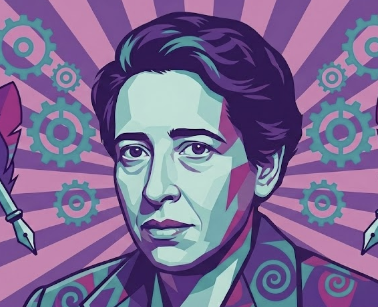
Kant was also quite aware that "the urgent need" of reason is both different from and "more than mere quest and desire for knowledge." Hence, the distinguishing of the two faculties, reason and intellect, coincides with a distinction between two altogether different mental activities, thinking and knowing.
Sat, 29 Nov 2025 - 23:28
Who loves not woman, wine, and song / Remains a fool his whole life long.
Sat, 22 Nov 2025 - 03:30
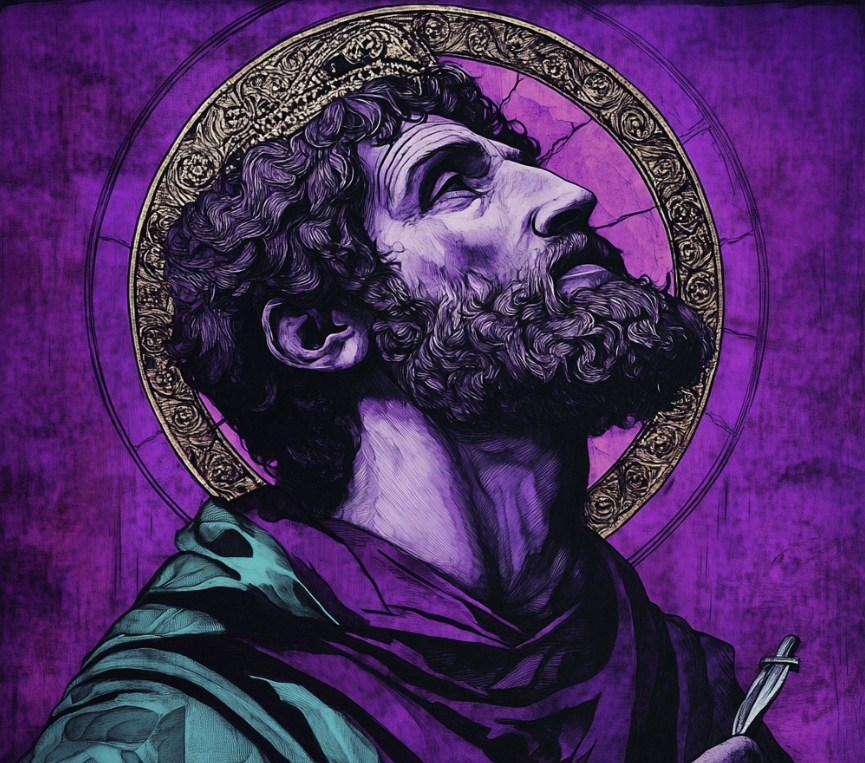
Let each look to his own heart: let him not keep hatred against his brother for any hard word; on account of earthly contention let him not become earth.
Sun, 7 Dec 2025 - 19:56
A mollusk is a cheap edition [of man] with a suppression of the costlier illustrations, designed for dingy circulation, for shelving in an oyster-bank or among the seaweed.
Fri, 12 Dec 2025 - 04:56
Does man think because he has found that thinking pays? Does he bring his children up because he has found it pays?
Sun, 7 Dec 2025 - 19:56
I have been writing & speaking what were once called novelties, for twenty five or thirty years, & have not now one disciple. Why? Not that what I said was not true; not that it has not found intelligent receivers but because it did not go from any wish in me to bring men to me, but to themselves. I delight in driving them from me. What could I do, if they came to me? - they would interrupt and encumber me. This is my boast that I have no school & no follower. I should account it a measure of the impurity of insight, if it did not create independence.
Fri, 5 Dec 2025 - 22:45
It is sometimes said, common sense is very rare.

Sun, 7 Dec 2025 - 19:56
Every artist was first an amateur.
Mon, 8 Dec 2025 - 21:06
All mortals tend to turn into the thing they are pretending to be.
Sun, 30 Nov 2025 - 01:59
It is not death, it is dying that alarms me.
Sat, 29 Nov 2025 - 23:28
We are beggars: this is true.
Fri, 28 Nov 2025 - 20:15
There is a great difference between the Idols of the human mind and the Ideas of the divine. That is to say, between certain empty dogmas, and the true signatures and marks set upon the works of creation as they are found in nature.
CivilSimian.com created by AxiomaticPanic, CivilSimian, Kalokagathia