
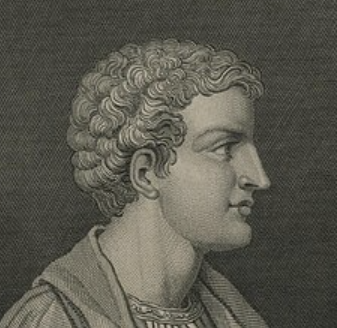
Horace — The Poet of Measure, Pleasure, and Mortal Wisdom (65–8 BCE)
Horace was not a philosopher in the formal sense, yet few thinkers have shaped how people actually live as deeply as he did. He taught Rome—and everyone after it—that wisdom lies not in extremes, not in heroic self-denial or reckless ambition, but in proportion, humor, and acceptance of human limits. His philosophy wears a smile, but it is a hard-earned smile.
From Civil War to Civil Voice
Quintus Horatius Flaccus was born in southern Italy, the son of a freed slave who devoted himself to his son’s education. Horace studied philosophy in Athens, absorbing Epicurean and Stoic ideas before being swept into the Roman civil wars.
He fought on the losing side against Octavian (later Augustus), lost his family property, and returned to Rome poor and politically disillusioned. This experience permanently shaped his outlook. Grand causes had failed. Ideological purity had shattered lives. What remained was the art of living well amid impermanence.
“Why do you laugh? Change the name and the story is about you.”
Carpe Diem — Not Recklessness, but Precision
Horace’s most famous phrase, carpe diem, is often misunderstood as a call to indulgence. What he actually recommends is attentiveness. The future is unstable. The present is real. Wisdom consists in choosing pleasures that do not poison tomorrow.
This reflects a softened Epicureanism: avoid excess, fear neither gods nor death, and cultivate modest joys— friendship, wine, poetry, conversation, a garden rather than a palace.
“Seize the day, trusting as little as possible in the next.”
The Golden Mean — Ethics Without Heroics
Horace championed the aurea mediocritas, the golden mean. Virtue lies between extremes: courage between recklessness and cowardice, wealth between luxury and deprivation, ambition between sloth and obsession.
This was not abstract moral theory. It was advice for survival in an unstable empire. Horace distrusted moral grandstanding. He preferred balance, irony, and self-knowledge— virtues that bend rather than break.
“There is a measure in all things.”
Satire — Philosophy with Teeth and Laughter
Horace’s satires are philosophical case studies disguised as jokes. He mocks greed, pretension, moral hypocrisy, and self-importance, often turning the blade on himself.
This self-directed humor is crucial. Horace believed that moral insight begins with recognizing one’s own absurdity. Laughter, properly used, dissolves illusion without cruelty.
“What prevents us from telling the truth, laughing?”
Art, Discipline, and the Shape of Thought
In his Ars Poetica, Horace treats art as a moral practice. Good writing requires discipline, patience, and restraint. Inspiration matters, but craft matters more.
This aesthetic discipline mirrors his ethics. A well-formed life, like a well-formed poem, depends on structure, revision, and knowing when to stop.
Legacy — Wisdom for Mortal Creatures
Horace shaped European moral imagination for centuries. Renaissance humanists, Enlightenment thinkers, and modern essayists all drank from his calm, ironic wisdom. He taught that philosophy need not shout to endure.
His greatness lies in accepting finitude without bitterness. Life is short. Power fades. Reputation crumbles. What remains is style, friendship, and the quiet pleasure of understanding one’s place in the world.
“I have built a monument more lasting than bronze.”
CivilSimian.com created by AxiomaticPanic, CivilSimian, Kalokagathia